 By Danel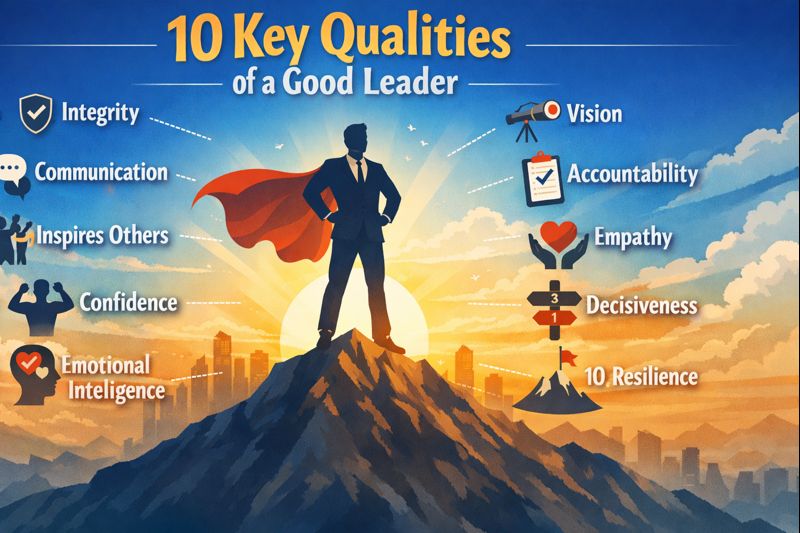
Based on multiple studies, it has been identified that the best leaders have these 10 essential leadership traits consistently.
- Integrity
The importance of integrity should be made clear. While not necessarily a benchmark in employee reviews, integrity is an essential leadership trait for the individual and the organization. Especially important for high level executives who shape the organization’s direction and make countless other important decisions. Our research shows loyalty can be a blind spot for organizations. Make sure your organization reinforces the need for honesty and integrity to leaders at different levels. - Ability to delegate
Representation is one of the main responsibilities of a leader, but it can be difficult to represent effectively. The goal isn’t just to liberate yourself—it’s also to empower your direct reports to grow, facilitate teamwork, self-management, and better decision-making. The best leaders build trust with employees to provide more effective representation. - Communication
Effective leadership and effective communication are linked together. The best leaders are good communicators who can communicate in different ways starting from passing information to motivating others to training direct reports. And you have to be able to listen and connect with a wide range of people in the role of many people, geography, social identity and others. The quality and effectiveness of communication between the leaders within your organization will directly affect the success of your business strategy. Learn how effective communication and better conversations can truly improve your organizational culture. - Self-awareness
Although this is a more inward-centered trait, self-awareness and humility are key to leadership. You will be more effective as a leader when you understand yourself better and know your own strengths and weaknesses. Do you know how other people perceive you or look at you at work? Take the time to learn about 4 aspects of self-awareness and how to strengthen each part. - Gratitude
Being grateful can raise a higher self-esteem, reduce mental stress and anxiety, and result in better sleep. Even gratitude can make you a better leader. Even though many people say they are willing to work hard for a grateful boss, they say “thank you” in work settings. Great leaders know how to show sincere gratitude in the workplace. - Learning agility
The skill of learning is knowing what to do without knowing what to do. If you are a “quick learner” or are able to excel in unusual circumstances, you might learn a slick lesson. However, anyone can develop the skill of learning through practice, experience and effort. Explore how great leaders with strong learning skills become great students to begin with. - Influence
To some people, “impact” sounds like a dirty word. But being able to convince people by logical, emotional or cooperative appeal is an important characteristic of effective leaders. Influence is completely different from deception, and must be done honestly and honestly. It requires emotional intelligence and trust. Learn more about how effective influencing can be a game-changer. - Empathy
Empathy is related to work performance and is an important part of emotional intelligence and leadership efficiency. Our research shows that if you demonstrate leadership and compassion traits that involve more into your live reports, your boss is more likely to be seen as a better performer. In addition, compassion and inclusion are essential to improve workplace conditions for those around you. - Courage
It can be difficult to speak at work whether it is communicating a new idea, giving feedback to a live report, or pointing out thoughtfulness to someone above you. Courage is a key characteristic of good leaders. Courage allows leaders to lift up and move things in the right direction rather than eliminating problems or conflicts. A workplace with high psychological safety and a strong coaching culture will further support truth and courage. - Respect
Treating people with respect every day is one of the most important things a leader can do. Eases tension and conflict, builds trust, and improves productivity. Respect is greater than absence, and it can be seen in different ways. Learn more about how you can develop an atmosphere of mutual respect in the workplace or ways you can be a partner to others.