 By Danel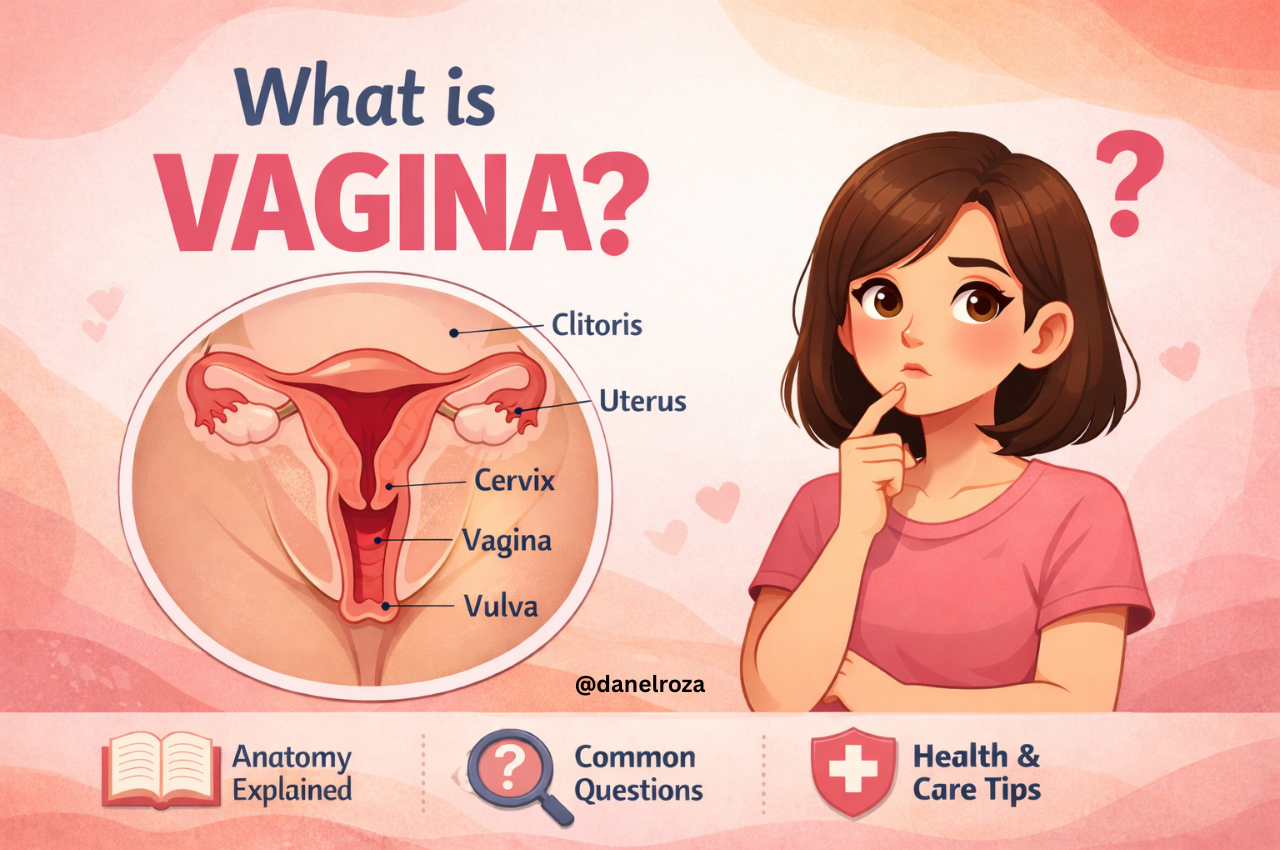
When people talk about the female genitalia, they are usually referring to the external part of the female genitalia.
The female genitalia includes the following:
Labia
Female genital opening
Urinary tract
The female genitalia and
The mucous membranes are lined with muscular canals.
The female genitalia connects the uterus and cervix to the body, allowing for menstruation, sexual intercourse, and childbirth.
The vaginal opening, also known as the vaginal temple or vestibule, is the opening into the vagina.
◈ It is located between the urethra and the anus.
◈ The opening is the place where menstrual blood leaves the body.
◈ It is also used for childbirth and sexual intercourse.
The vaginal wall is made of muscle covered with a mucous membrane similar to the tissue in your mouth.
◈ The wall consists of layers of tissue with many elastic fibers.
◈ The wall also contains ridges, which are extra tissue projections that allow the vagina to expand during sex or childbirth.
◈ The tissues in the vaginal wall undergo hormone-related changes during the menstrual cycle.
◈ The cells in the outer layer of the tissue store glycogen. This layer is shed during fasting.
◈ Glycogen is broken down by bacteria and helps maintain pH levels to protect the vagina from harmful bacteria and fungi.
◈ Hymens The hymen is a thin membrane with a hole that opens into the vagina.
◈ Although the shape and size of hymens can vary, most are shaped like a crescent moon. This shape allows menstrual blood to flow out of the vagina.
The foreskin can tear when a person first has sex or inserts something into the vagina.
◈ This can also happen during intense exercise.
Certain shapes and types of hymens can interfere with menstrual flow, wearing tampons, or having sex.
A hysterectomy completely covers the vaginal opening, blocking menstrual flow. It requires minor surgery to repair.
Micro perforator tendon.
◈ A microperforated hymen is a very thin membrane that covers almost the entire vaginal opening.
◈ A small incision is used to create a larger incision.
Septum ligaments.
◈ Septal hernia involves extra tissue that creates two openings. It is treated with minor surgery.
Vaginal conditions
◈ Many conditions can affect the female genitalia. The main ones are:
Vaginitis – Vaginitis is an inflammation of the vagina caused by infection.
It causes unpleasant symptoms.
Liquid
itching
Burning sensation
There are different types of genital warts depending on the cause. The most common types include:
Bacterial vaginosis (BV)
BV is a bacterial infection that results from an overgrowth of healthy vaginal bacteria. This can happen when something like douching changes the pH level of the vagina.
BV is not a sexually transmitted disease (STI), but sex with a new partner or multiple partners can increase a person’s risk.
BV can cause a white or gray discharge, but it doesn’t always cause symptoms.
Yeast infection
Vaginal yeast infection occurs when a type of yeast called Candida albicans overgrows in the vagina.
Vaginal yeast infections are very common. Symptoms
itching
Anger
They may contain thick, white discharge.
Yeast infections can often be treated with over-the-counter (OTC) antifungal medication.
Trichomoniasis
Trichomoniasis, often called “trich,” is an STI caused by a parasite called Trichomonas vaginalis.
It often causes a green or yellow discharge with a fishy odor, as well as burning and redness.
It is treated with antibiotics.
Both partners should be treated to prevent reinfection.
Vaginismus
Vaginismus causes involuntary contractions of the vaginal muscles.
It usually starts when someone first tries to connect.
There is no single cause, but it is often linked to past sexual trauma or emotional factors.
For some, the fear of painful sex due to the vagina can cause the muscles to tighten even more, leading to more pain.
Sexually transmitted diseases are transmitted through sexual contact and can affect the female genitalia and cause symptoms ranging from discharge to genital warts or sores.
Some sexually transmitted diseases show no symptoms and are only discovered during routine screening.
Common STIs include:
Chlamydia (genital herpes)
Gonorrhea
Genital warts
A blood clot in the vagina
Vaginal atrophy causes the vaginal tissues to shrink and become thinner, which can narrow the canal and reduce its elasticity. It is most common during menopause.
During menopause, estrogen production drops, reducing the amount of vaginal fluids and interfering with vaginal pH.
Atrophy can also occur earlier in life due to other causes of estrogen depletion, such as breastfeeding, ovarian removal, and certain medications.
It can cause vaginal dryness, painful intercourse, and irritation.
Vaginal childbirth, obesity, or straining to have a bowel movement can put pressure on the abdomen, and menopause can increase the risk of recurrence.
There are different types of genital warts that can involve the female genitalia, including:
Cystitis – This includes the vagina and the front of the vagina.
Rectocele – this involves the vagina and the back of the anus
Enterocele – A protrusion of the vaginal wall and small intestine into the anus does not always cause symptoms. However, in some cases, it can cause a feeling of fullness or heaviness in the groin. Others may feel a pulling sensation in the area.
Symptoms usually go away when a person lies down, but may worsen when standing, having a bowel movement, or lifting something.
You may leak urine when you sneeze, laugh, or cough.
Vaginal cancer
Vaginal cancer is very rare.
There are different types of vaginal cancer, but the most common is squamous cell carcinoma, which begins in the lining of the vagina.
In its early stages, it may not cause any symptoms. However, if it spreads, it can cause abnormal vaginal bleeding, discharge, or a lump in the vagina.
Two-thirds of genital cancers are believed to be caused by human papillomavirus (HPV).
When found early, vaginal cancer can often be treated.
Symptoms of female genitalia
Symptoms of vaginal conditions can range from mild to severe and depend on the underlying cause. The following are common symptoms:
The amount of vaginal fluid;
Change in color or odor;
Itching, redness, or irritation in or around the vagina;
Bleeding during or after sexual intercourse;
Bleeding between periods;
Bleeding after menopause;
Painful relationship.
Vaginal conditions respond best to treatment when caught early, so be sure to see a doctor if you experience these symptoms.
While many conditions can affect the vagina, you can reduce your risk of developing many of them. Follow these tips to reduce your risk.
Avoid scratching.
The vagina naturally cleanses itself, but douching can disrupt the natural balance of bacteria and fungi, leading to infection.
Avoid scented soaps and feminine hygiene products. The fragrances in scented hygiene products like soaps, pads, and wipes can irritate the skin and disrupt the pH balance of the vagina.
Be responsible about sex. Always use caution with new partners and make sure you get regular STD screenings.
please follow me !. thank YOU.